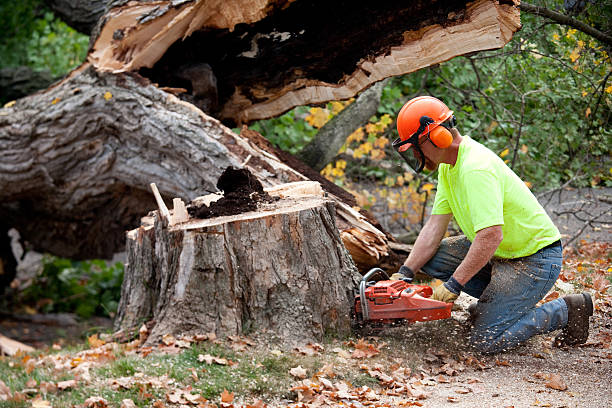
Practical Steps to Plan, Budget, and Time Your Next Tree Work Project
attention and why, then align those needs with your calendar and tolerance for disruption. This early clarity reduces rework later. A professional Tree Service can help verify priorities, but your initial inventory sets direction and anchors discussions on scope and outcomes.Meanwhile, timing plays a decisive role. Dormant seasons often reduce stress on trees and improve visibility within the canopy, while storm-prone months may require faster decisions. Assess site access before wet periods that rut lawns or restrict equipment. Buffer some days in your schedule for weather delays. If a project involves multiple phases, sequence tasks so trimming precedes removals that could otherwise limit safe maneuvering or damage surrounding plantings.
Beyond that, health diagnostics inform every choice. Inspect for signs of decay, girdling roots, fungal growth, and limb unions that suggest future failure. Validate whether structural pruning can mitigate hazards before committing to removals. Document photos and notes, then discuss with your provider to refine the plan. By comparing observations with arboriculturally sound practices, you calibrate decisions to improve canopy stability while preserving shade, habitat, and property value.
However, budgets cannot be an afterthought. Request transparent scopes that break out labor, equipment, disposal, and any site protection measures. In practice, complex access, proximity to structures, and utility lines influence cost more than tree size alone. Ask about options to phase work across seasons to spread expenses. If stump work is included, clarify whether Stump Grinding and surface cleanup are itemized, and confirm how deep grinding will be relative to future landscaping needs.
Often, safety and compliance shape the workflow. Verify insurance and licensing, and confirm that traffic control, PPE, and drop zones are planned for your site. Where utilities are nearby, ensure locates and utility notifications are handled well in advance. Then, set boundaries for equipment paths and staging to protect irrigation, fences, and pavements. Clear communication on risk tolerance helps crews maintain control and avoid preventable property impacts.
Then, think ahead to debris handling and waste reduction. Request that wood and chips be sorted according to your preferences, or ask for mulch placement in defined beds. Discuss log haul routes, yard access points, and temporary surface protection. If firewood salvage is relevant, define lengths and stacking areas. By agreeing on disposal details up front, you streamline the day, minimize mess, and avoid misunderstandings about what stays and what goes.
Meanwhile, service selection should match objectives. Tree Trimming supports structure, clearance, and storm-readiness, while Tree Removal addresses irrecoverable hazards or space constraints. When urgent situations arise after high winds or lightning, an Emergency Tree Service may be necessary to stabilize conditions before detailed work proceeds. Aligning the specific service mix with your goals keeps the plan efficient and reduces unnecessary tree stress.
Then, site protection deserves focused attention. Lay out turf mats where heavy equipment may travel, and mark shallow utilities, sprinkler heads, and landscape lighting. Inspect fences and gates to validate clearances. Discuss tie-in points for climbers and branch lowering methods to buffer delicate beds. Simple measures—plywood at corners, temporary fencing, or padding—can prevent damage that would otherwise add cost and delay to post-project restoration.
Finally, think lifecycle. After work concludes, plan for ongoing maintenance intervals, watering during drought, and soil improvement where compaction occurred. Schedule follow-ups to assess wound closure, canopy response, and any regrowth requiring refinement. Keep a property tree map with service dates and notes to phase future tasks proactively. By maintaining organized records and steady practices, you extend canopy health and reduce the frequency of disruptive, reactive interventions.
Ultimately, a well-sequenced approach yields the best results. Start with assessment, proceed through clear documentation, and validate methods against site constraints. Stage equipment and crew tasks to minimize overlap. Calibrate expectations on noise windows and access, especially in dense neighborhoods. When the plan integrates safety, budget, timing, and aftercare, tree work becomes manageable, less stressful, and aligned with the long-term vision for your landscape.